LinkTwist Now Runs on Viator’s New Supplier API
Suppliers Can Now Share Live Pricing with Viator
Viator rebuilt its Supplier API from the ground up, and LinkTwist now runs on it. The headline change: suppliers can now share pricing with Viator directly and dynamically, instead of working within one fixed pricing model. Availability, pricing, and offers all stay accurate on Viator automatically, with far less manual upkeep.
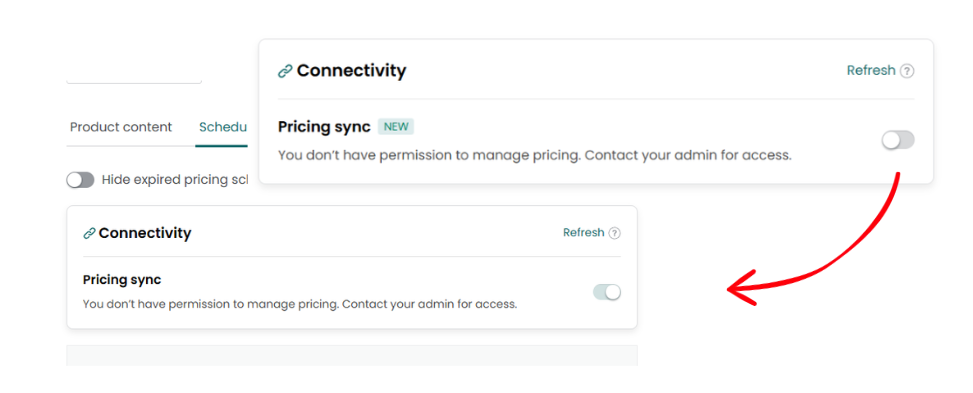
Here’s what actually changed, and why it matters.
Suppliers can share pricing their way
Version 1 forced every supplier into a narrower, one-size-fits-all view of pricing. Version 2.0 changes that. Suppliers can now share pricing using whichever model actually fits their business — per-person pricing, tiered per-person pricing, or unit pricing — and Viator reflects it accurately. If your products use mixed pricing structures across different tours or participant types, this removes a real limitation instead of forcing a workaround.
Pricing updates also flow through Viator’s new webhook system, so a price change on your end reaches Viator the moment it happens, not on the next sync cycle.
Real-time webhooks
Viator now pushes updates directly through webhooks for salability, remaining capacity, pricing, and special offers. Instead of waiting for the next sync cycle, your listings update the moment something changes on Viator’s side.
This fits directly into the real-time approach LinkTwist already takes with availability sync across every channel — one more feed that updates instantly instead of on a delay.
Inventory and price held together
Previously, holding inventory during a booking attempt and holding its price were two separate concerns. Version 2.0 introduces a dedicated endpoint that reserves both inventory and price together before a booking completes. That reduces the odds of a guest reaching checkout only to find the price shifted underneath them.
Simpler product mapping
Mapping your products to their Viator equivalents used to mean manual setup inside Viator’s own Supply Center. Version 2.0 introduces hosted endpoints for product mapping, which means this now happens inside the reservation system’s own interface — one less system your team has to jump into just to keep listings aligned.
A single, simpler product identifier
Viator has also introduced one unified identifier for product variants — what most operators would call a product option. Instead of juggling different references across endpoints, reservation systems now use a single ID per variant, returned directly through the Tour List API.
Built on JSON, tested against a real spec
Version 2.0 standardizes everything on JSON — XML is deprecated for new integrations, though existing v1 XML integrations keep working. Viator also ships a contract testing tool alongside v2.0, with defined test cases per endpoint, so integrations like ours get validated against the actual specification rather than tested against assumptions.
What this means for you
Nothing changes on your end — no new setup, no action required. Suppliers get more accurate, flexible pricing on Viator, and everyone’s listings sync faster and hold pricing more reliably, automatically.